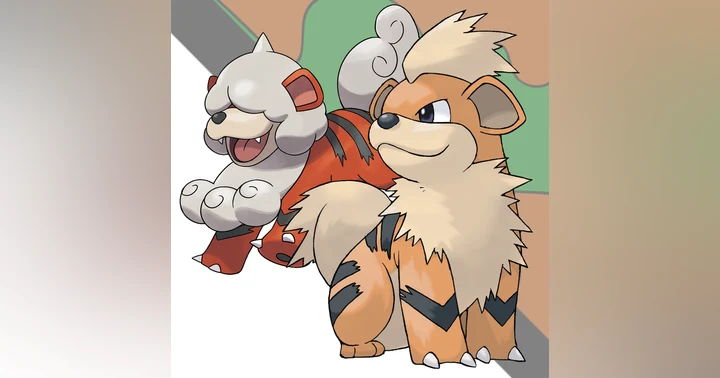
The Story of Zorua
Something moves at the edge of the forest.
Maybe another Pokémon?
Maybe a child wandering farther from home than they should?
There is something slightly wrong about its shape. The movement doesn't quite fit anything familiar. There is silence where there should be a voice.
Then the illusion breaks.
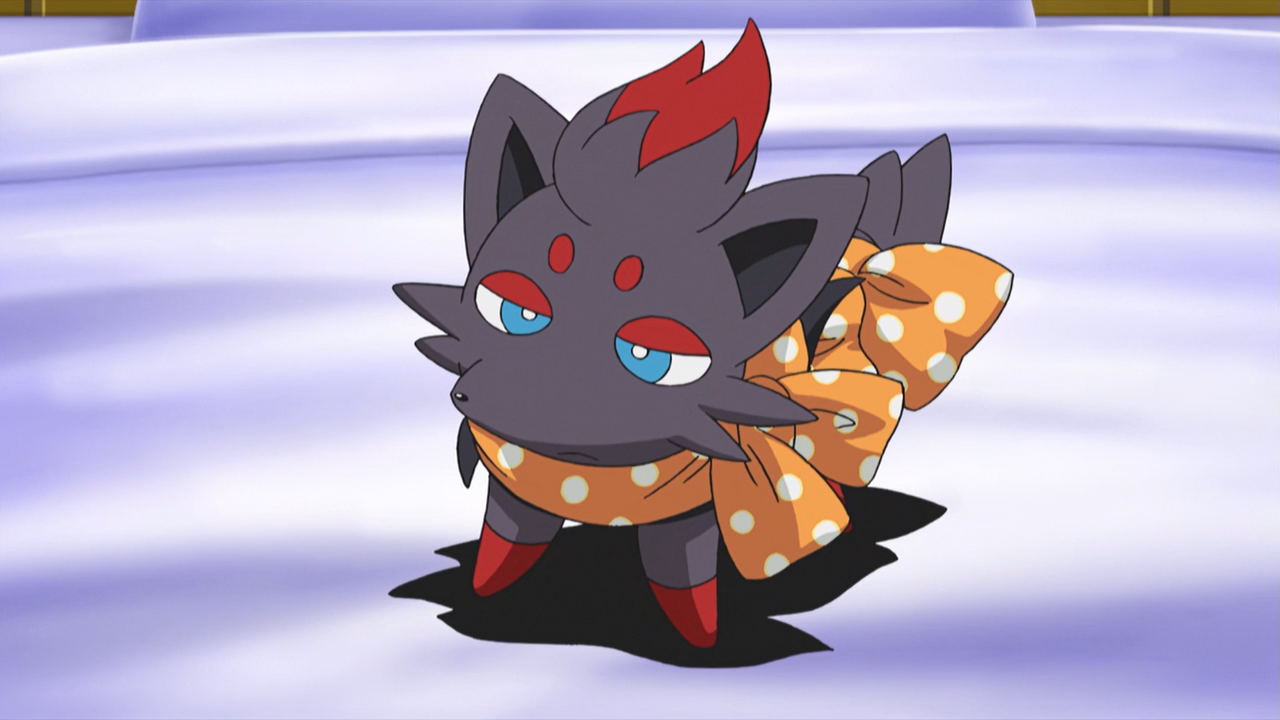
Standing there is the small fox-like Pokémon, Zorua.
Zorua is naturally timid. Rather than confront danger directly, it hides its true form behind illusions. It may imitate another Pokémon to frighten an enemy, disguise itself as a child while searching for food, or copy an opponent long enough to create an opportunity to escape.
Its signature Ability, Illusion, reflects that same strategy.
Zorua enters battle appearing to be another Pokémon until taking damage reveals what was actually there. Zorua isn't necessarily trying to become something else. It is trying to survive long enough that no one discovers how vulnerable it really feels.
When you think about it, sometimes people learn to do the same thing.
We learn which version of ourselves gets accepted. Which opinions create conflict. Which hobbies might seem strange. Which emotions make people uncomfortable.
So, we adjust, hide, become easier to understand. Sometimes that adaptability protects us.
But eventually we have to ask, what happens when the defense that helped us survive becomes the thing preventing people from knowing us?
Zorua
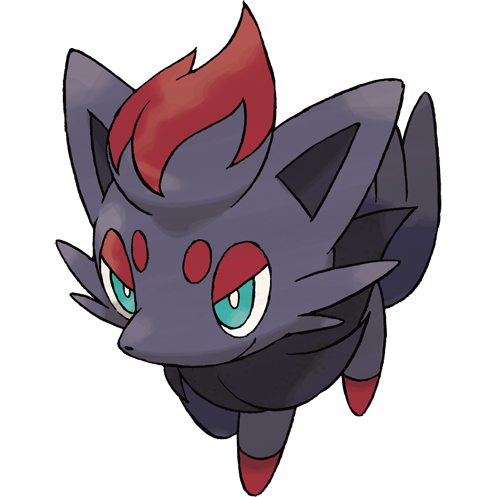
"It changes into the forms of others to surprise them. Apparently, it often transforms into a silent child."
—Pokémon Black
Zorua's illusions seem to have developed because of its timid disposition. According to Pokemon White, "To protect themselves from danger, they hide their true identities by transforming into people and Pokémon."
When Zorua is not around friends, it may spend most of its time disguised as something else. That makes its illusions different from simple deception. There is fear underneath them, almost like, "If you don't know what I really am, maybe you can't hurt me."
For a long time, I lived with my own version of that instinct. I struggled to share what I actually thought. I worried that having the wrong opinion would push people away. I worried that being too interested in something would make me seem weird.
I worried that if people saw too much of who I actually was, eventually they would decide they didn't want me around. So, I adapted. I adapted so well that a former supervisor once called me a "chameleon."
At the time, I don't think I understood how accurate that description was. I could adjust to almost anyone or anything ranging from different personalities, different expectations, to even different rooms.
I could listen, observe, and become whatever version of myself seemed easiest for the environment to accept.
There were benefits to that. It opened doors. It helped me work with people who were very different from me. It allowed me to enter spaces where I otherwise might not have felt comfortable.
Most importantly, it gave me something I desperately wanted, inclusion.
At that point in my life, simply being included often felt like enough. I didn't necessarily need people to know me deeply. I just didn't want to be on the outside, looking in.
Many of us build similar defenses. We hide behind humor, people-pleasing, or even mirroring the behavior of those around us because it feels safer than risking rejection.
At some point in our lives, many of us learn our own version of Zorua's Illusion because we are afraid that being fully seen might leave us standing alone.
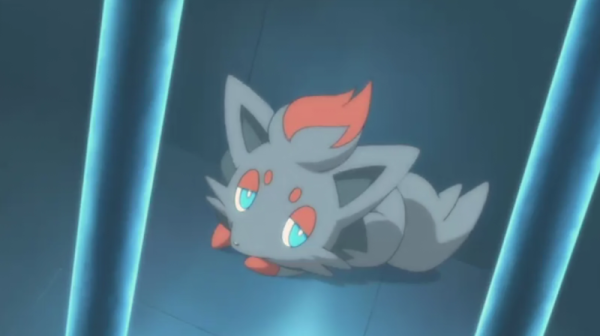
Zorua used Fake Tears
It's important to remember that not every defense we develop is a mistake.
Zorua's illusions work. When danger approaches, looking like something more intimidating can buy enough time to escape. Likewise, learning to read a room can be incredibly useful.
My ability to adapt eventually became one of my strengths as a case worker. As a case worker, you work with many different personalities, and different people required different approaches.
Some people were guarded. Some people were angry. Some were facing serious consequences. There were even situations where I had to accompany someone toward circumstances where they might end up in jail.
Being rigid would not have helped but listening did. Adjusting approached helped me build rapport with other people. Meeting people where they were helped them lower their guard.
That same instinct became useful with As The Pokéball Turns.
Interviewing people requires flexibility. Some guests need follow-up questions to help them fully express what they are trying to say. Others need more space, where my role is to step back and let them be heard.
Some naturally fall into storytelling and enjoy the back-and-forth of a shared conversation. Over time, I learned that listening first and deciding how to respond second became one of the most valuable skills I could bring to an interview.
So I don't look at my old chameleon behavior and say, "that version of me was completely wrong." He learned something useful. He learned how to pay attention, how to adapt, and how to make other people comfortable.
Those skills still belong to me. In the same way, the defenses you built helped you become who you are.
Maybe you learned to use humor when situations felt uncomfortable. That defense may have helped you ease tension, connect with people, or make difficult moments feel more manageable.
Maybe you became a people-pleaser, learning to notice what others needed before they even asked. While that can become exhausting when taken too far, it may also have helped you develop empathy, awareness, and the ability to work with many different personalities.
Maybe you learned to be independent, relying on yourself because depending on others once felt risky. That independence may have made you resourceful, resilient, and capable of handling situations that once seemed overwhelming.
The problem came when adaptation stopped being something I could choose and became something I felt I always had to do.
Zorua used Imprison
There was another part of myself I kept hidden for a long time. My ability to create, specifically podcasting. I didn't want people knowing what I was doing with As The Pokeball Turns.
Part of me thought it sounded cheesy. Part of me wasn't even completely comfortable calling myself a podcaster yet.
What if people laughed? What if they thought I was taking myself too seriously? What if I put myself out there and the thing failed?
Keeping it hidden protected me from those possibilities but it also meant hiding something that mattered to me. Therapy eventually helped challenge that way of thinking.
One realization was surprisingly simple.
"People weren't thinking about me nearly as much as I imagined they were."
Most people were busy with their own lives. Even if someone did think my hobby was strange? That didn't automatically mean I had to stop enjoying it.
I began learning that as long as I wasn't hurting anyone, I was allowed to pursue things that brought me joy. I was allowed to have interests, opinions, passions.
I was allowed to become a person instead of constantly trying to become an acceptable reflection of everyone around me.
That didn't eliminate my people-pleasing tendencies overnight. Even now, I can still feel them.
However, something began changing.
The illusion was becoming optional.
Zoroark
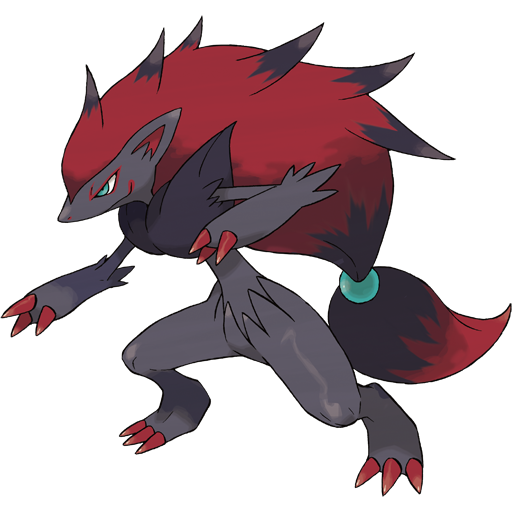
"If it thinks humans are going to discover its den, Zoroark shows them visions that make them wander around in the woods."
—Pokémon Ultra Moon
Zorua eventually evolves into Zoroark at level 30 and its illusions become dramatically more sophisticated.
According to Pokémon White, "Each has the ability to fool a large group of people simultaneously. They protect their lair with illusory scenery."
The most important change isn't the size of the illusion. It's why Zoroark uses it.
Zoroark lives in tightly bonded groups. It cares deeply for others of its kind. It protects its pack, its den, and its young. It may even risk its own life to keep those it loves safe, and it carries young Zorua inside its mane.
The same ability has matured.
Zorua asks, "how do I keep myself safe?"
Zoroark asks, "how do I keep us safe?"
That is a meaningful kind of growth.
Sometimes a trait we originally developed for self-protection becomes one of the ways we serve other people. My tendency to observe before speaking once came from fear. Today, listening helps me interview people.
Adaptability once helped me avoid standing out. Today, it helps me work with different personalities. Flexibility once helped me fit into rooms where I wasn't sure I belonged. Today, it can help other people feel like they belong in the room with me.
The trait didn't disappear. Its purpose changed.
That may be one of the healthiest forms of growth. We don't always have to destroy the survival strategies we developed. Sometimes we can reclaim them and use them for the benefit of others.
Zoroark used Night Daze
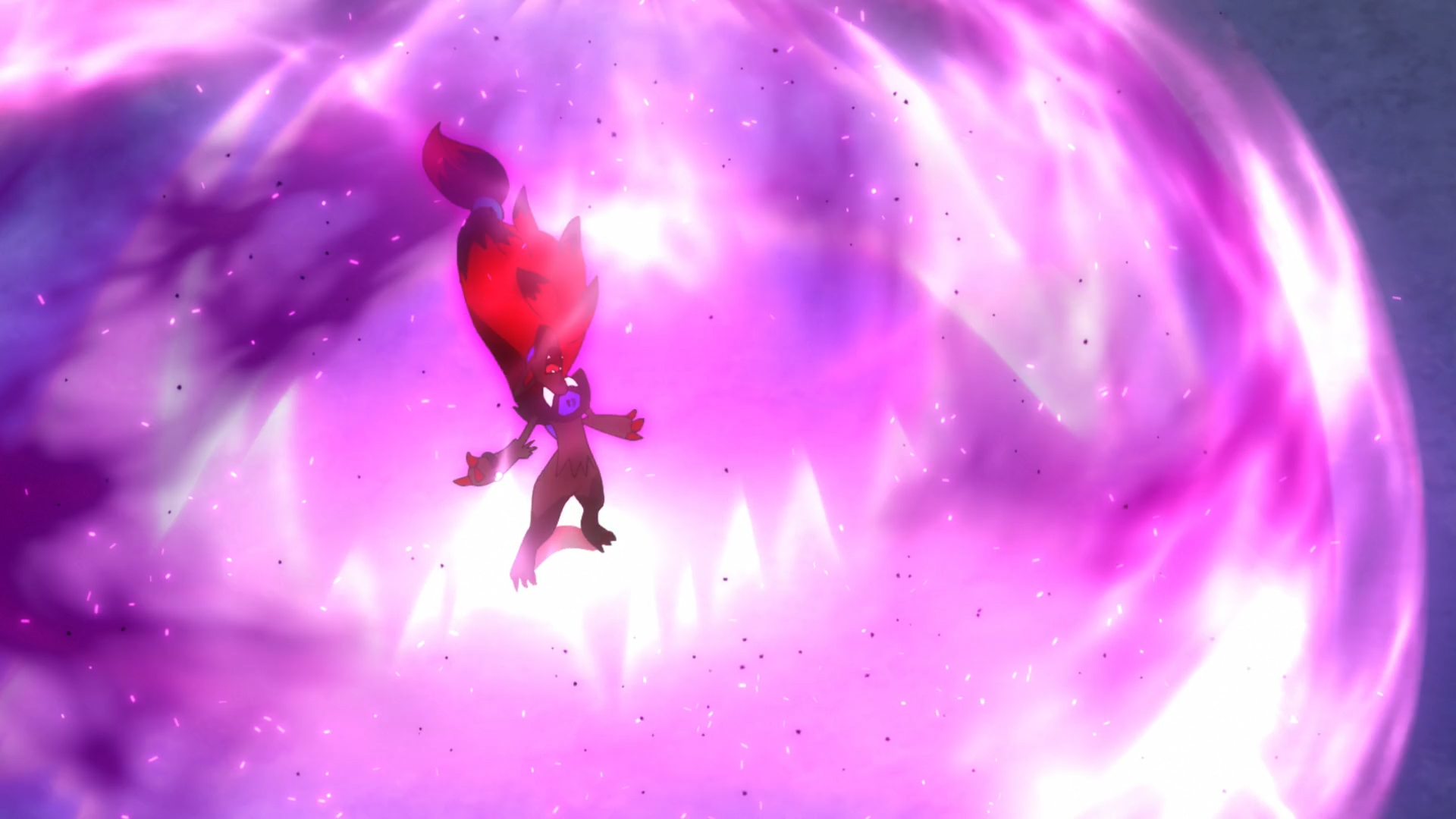
There is something else happening in Zoroark's story. Zorua is described as especially likely to remain disguised when it isn't around friends. Zoroark, meanwhile, is surrounded by strong social bonds.
Zorua's world teaches it to hide. Zoroark has a pack.
That suggests that feeling safe can change what our defenses are for. When we don't feel secure, our energy goes toward protecting ourselves. When we finally find people we trust, some of that energy becomes available for something else.
I have experienced what happens when an environment moves in the opposite direction too. I once worked as a case worker at a nonprofit launching a new program. There was uncertainty everywhere because the program was new.
As a result, our roles weren't always clear, leadership lacked direction, and more importantly, there were strong personalities involved.
At first, I thought, "I can handle this." After all, I had handled uncertainty before in prior roles. I was adaptable to the point where I was previously called a "chameleon." I had shown the ability to work with anyone.
All that I had listed were always my strengths.
Eventually I learned there is an important difference between, "I can survive this environment" and "this is an environment I should continue accepting."
One person believed she knew better. Another eventually began playing workplace politics and claiming I wasn't doing anything. My supervisor provided little direction and lacked vision for the new program.
Meanwhile, I kept trying to give everyone what they wanted. I didn't speak up enough about what I was actually doing. I didn't defend myself aggressively when false narratives began forming.
Eventually I became the fall guy.
I was blamed for the program not working. I was accused of sabotaging it. Those claims weren't true because I had worked with the information I had. I used the tools I had been given.
From my perspective, I genuinely tried.
But trying harder to adapt could never solve a problem created by an environment where everyone wanted something different from me.
Looking back, my mistake wasn't that I lacked effort. My mistake was believing adaptability meant I could make any environment work.
Sometimes the healthiest adaptation is leaving.
Our greatest strengths can become weaknesses when we enter environments that give them no room to function in healthy ways. Flexibility can turn into over-accommodation. Loyalty can keep us somewhere too long. Empathy can make us excuse behavior we should challenge.
The problem is not always the strength itself. Sometimes it is the environment asking that strength to survive conditions it was never meant to endure.
And when an environment becomes harsh enough, the thing that once helped us adapt can begin changing into something much darker.
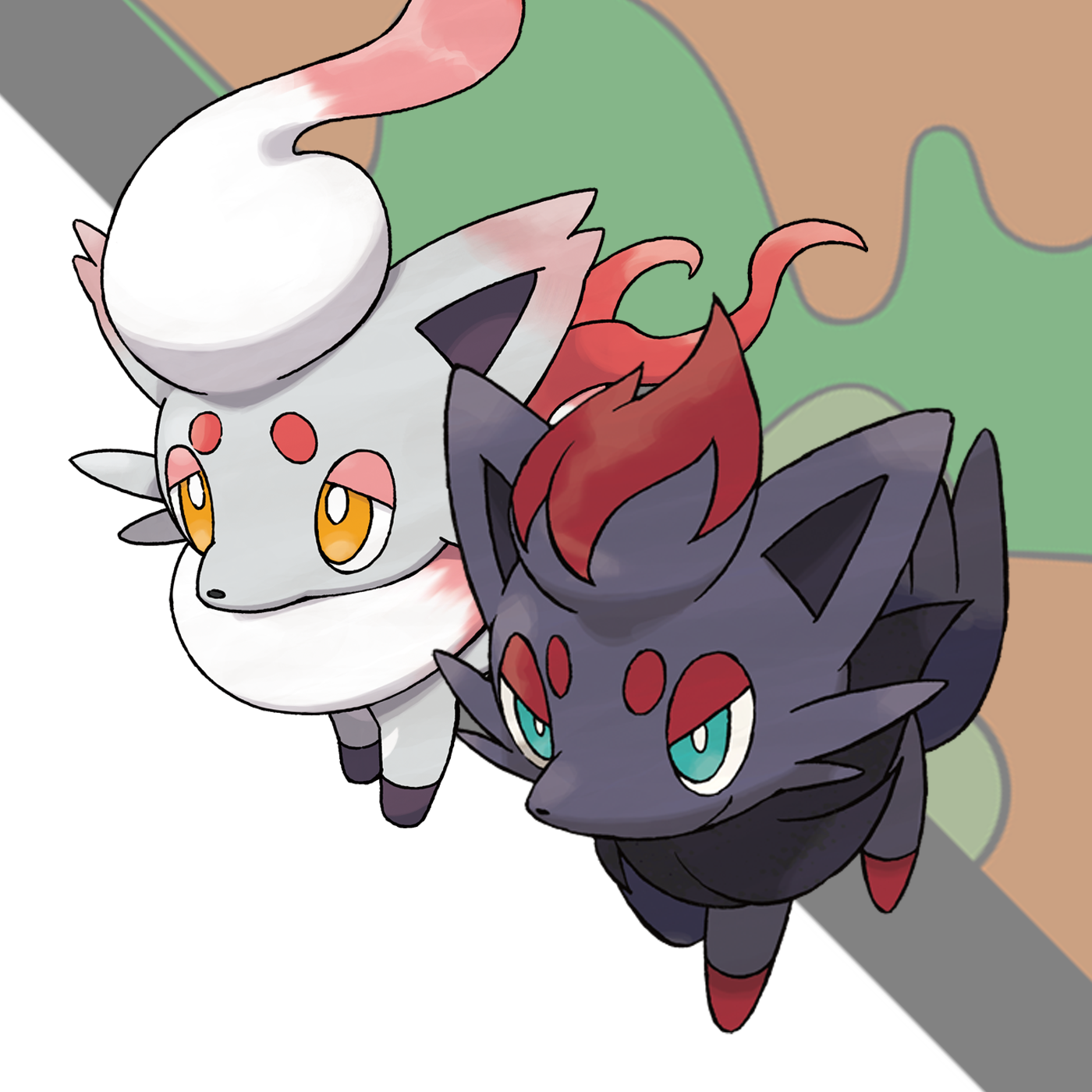
Hisuian Zorua
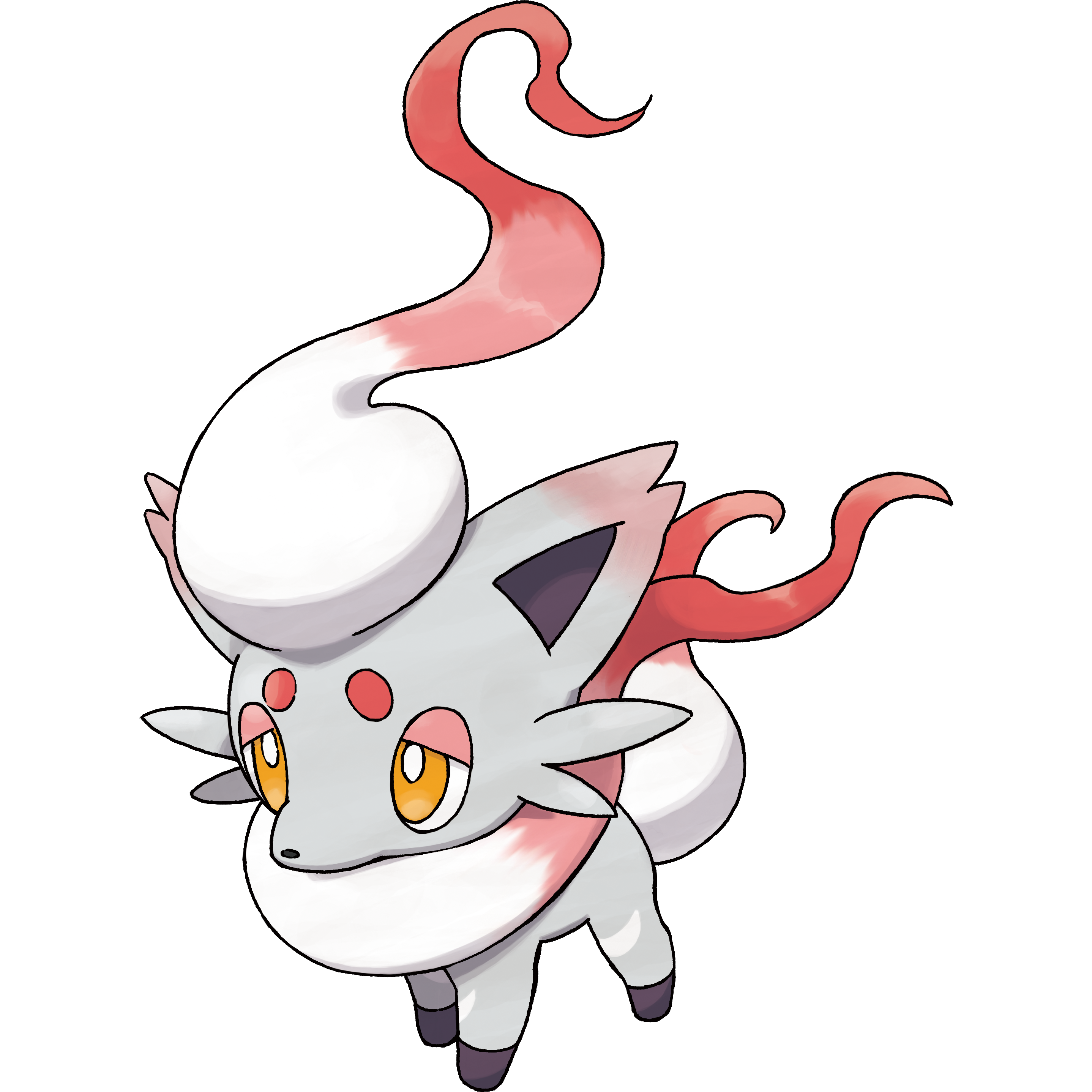
"A once-departed soul, returned to life in Hisui. Derives power from resentment, which rises as energy atop its head and takes on the forms of foes. In this way, Zorua vents lingering malice."
—Pokémon: Legends Arceus
This is where Hisuian Zorua changes Zorua's story. The Zorua that eventually appeared in Hisui had experienced something very different from its environment.
Humans exiled them from other lands because of their illusions. Then Hisui itself proved too harsh. Unable to survive the environment and conflicts with other Pokémon, those Zorua died, their souls lingered, and eventually, they returned in a new form fueled by malice toward humans and Pokémon alike.
The ability remains. Hisuian Zorua still creates illusions.
But the emotional force underneath those illusions is different. Unovan Zorua is timid. Hisuian Zorua is resentful. Its ghostly fur continuously releases spiteful energy.
When it encounters someone alone, it may create a horrifying illusion resembling the victim themselves, drawing power from the fear it causes.
The environment didn't remove the defense. It changed what powered it.
That is uncomfortable because people can experience something similar. An adaptable person can eventually become guarded. A trusting person can become suspicious. A generous person can begin wondering what everyone wants from them.
Sometimes when we ask, "why are they like that?" a better question might be, "what happened that made being like that feel necessary?"
That doesn't excuse every behavior, but understanding the origin of a defense can help explain why it exists.
Hisuian Zoroark
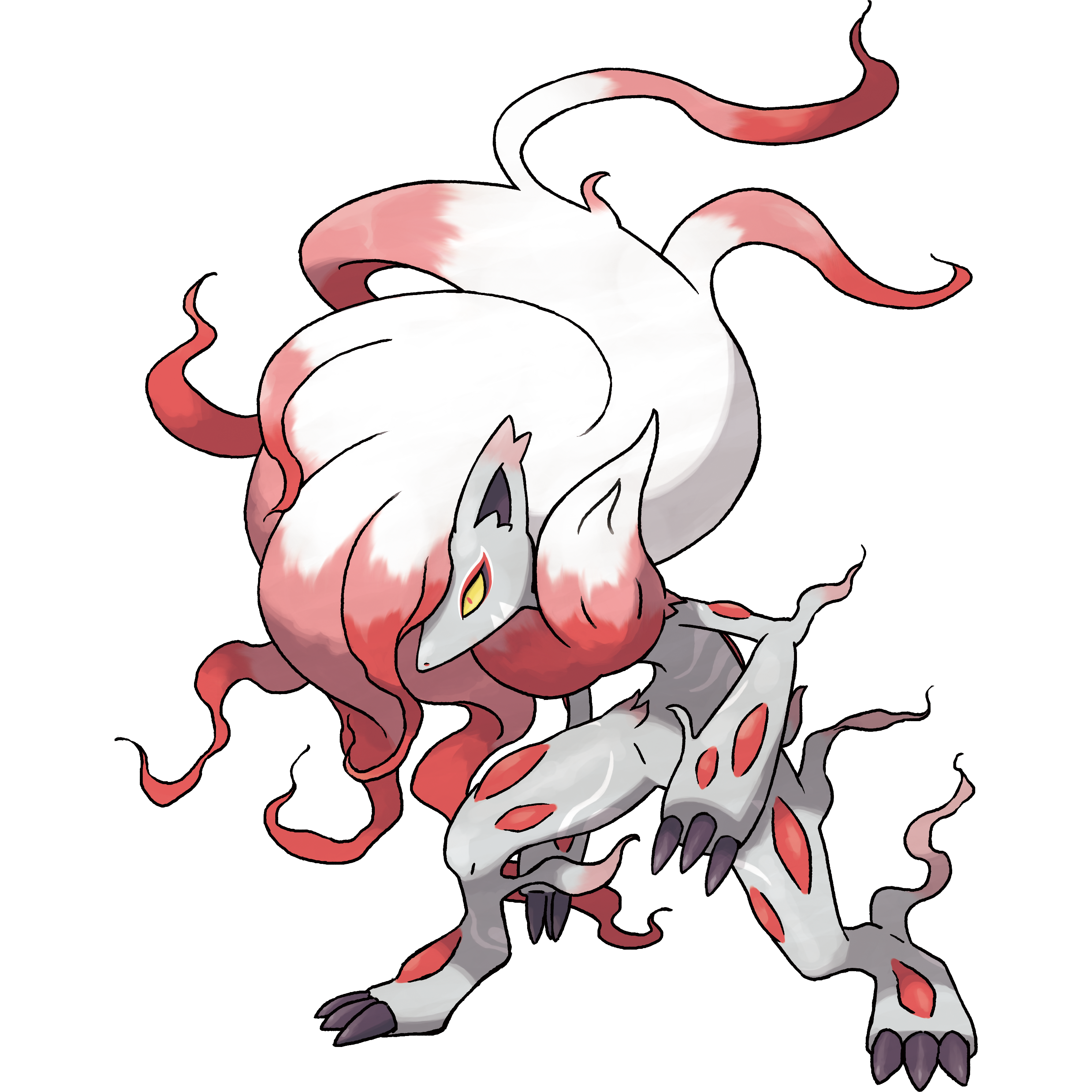
"With its disheveled white fur, it looks like an embodiment of death. Heedless of its own safety, Zoroark attacks its nemeses with a bitter energy so intense, it lacerates Zoroark's own body."
—Pokémon: Legends Arceus
Hisuian Zorua evolves into Hisuian Zoroark and its resentment intensifies.
Its illusions are filled with spite and can physically harm the people who experience them. It attacks enemies recklessly with bitter energy so powerful that it can actually injure Hisuian Zoroark itself.
That may be one of the clearest warnings in this evolutionary line.
A defense can become so extreme that protecting ourselves begins hurting us too.
People-pleasing can prevent rejection but it can also prevent honest relationships. Being hyper-independent can prevent disappointment but it can also prevent help. Distrust can prevent betrayal but it can also prevent intimacy.
Never speaking up can prevent confrontation but it can also allow other people to define the story for us.
That was part of what I learned from the nonprofit. For years, adaptability meant, I can work with anyone. What I needed to learn was, I don't have to.
There are situations where I need to speak. Situations where I need boundaries. Situations where flexibility stops being a virtue because I'm bending far enough that someone else gets to decide what shape I take.
That doesn't mean becoming combative. It means developing an edge.
An edge that knows where I stop, knows when something isn't mine to fix, knows when adjusting myself again is no longer the answer.
For all of its hatred, Hisuian Zoroark contains one detail that prevents its story from becoming hopeless. It can still care deeply for Hisuian Zorua. And if someone earns its trust, Hisuian Zoroark can become an invaluable ally.
After exile, death, resentment strong enough to give it another form, trust is still possible for Hisuian Zoroark.
It's not autmoatic, not owed, but its earned.
Healing doesn't necessarily mean lowering every defense for everyone. Sometimes growth means learning who deserves access.
Zoroark used Nasty Plot
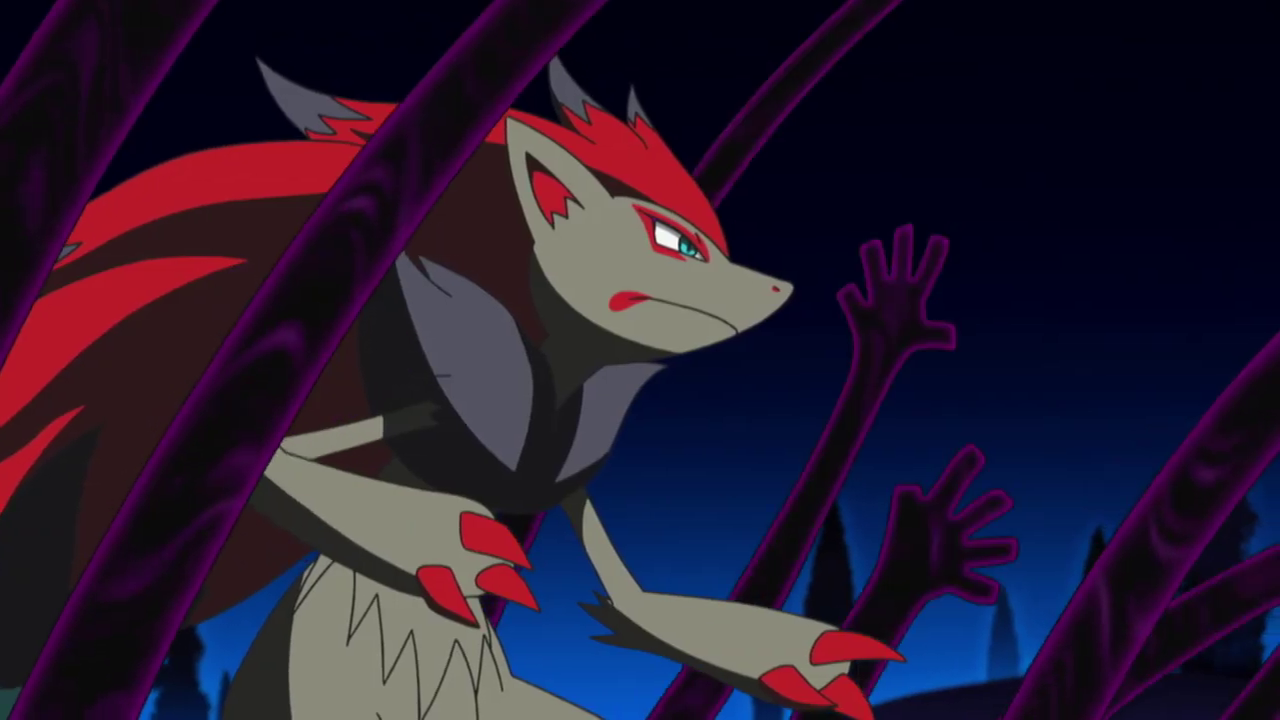
Regular Zoroark and Hisuian Zoroark are not simply good and bad versions of the same Pokémon. Both protect, deceive, carry powerful illusions, and care deeply about those they allow close.
The difference is what shaped those defenses.
One comes from a line where timidity develops into strong pack bonds. The other comes from exile, death, rejection, and resentment.
Our environments shape us, people shape us, rejection shapes us, belonging shapes us too. However, the defenses we develop deserve to be understood in that context.
Those defenses protected something that needed protecting at the time.
You don't have to be ashamed of them and we are allowed to grow beyond the environments that created them. We are allowed to discover that some people will stay.
We are allowed to speak when adaptation once told us to remain quiet. We are allowed to become known.
Perhaps that is what Zorua's illusion ultimately teaches us. The goal isn't necessarily to never wear a mask again.
The growth comes from learning when we no longer need to disappear.
We don't have to be ashamed of the defenses that helped us survive.
We just have to remember that surviving isn't the only way we're allowed to live.
Choose Your Next Safari Ball Adventure
Nickit | Bramblin | Sneasel
🎧 Want the human side of Pokémon?
🎙️ As The Pokeball Turns explores the Trainers.
Listen to real stories about:
- Community leaders
- Collectors
- Creators
- Everyday fans
The Story of Shuppet