The Story of Nickit
As the sun begins to set over the fields of Galar, the forest grows quiet.
Most Pokémon have settled into their nests for the evening but hidden among the shadows, a pair of bright yellow eyes watches patiently.
One careful step, then another. Not a sound.
By the time anyone realizes food is missing, the little fox Pokémon has already disappeared, its footprints swept away as if it had never been there.
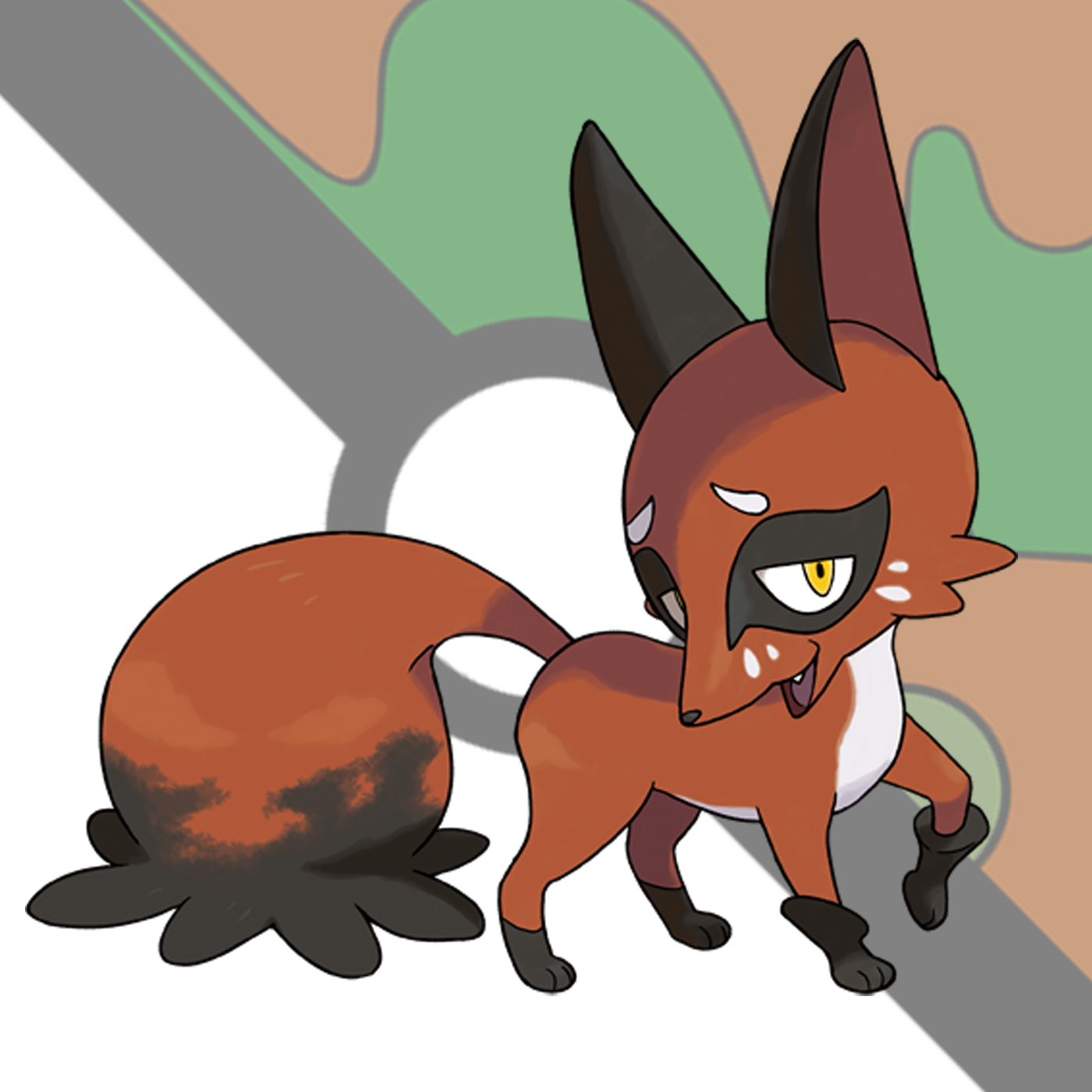
This is Nickit, a Dark-type Pokémon whose cleverness often earns it the title of thief.
But spend enough time observing Nickit, and a more complicated story begins to emerge.
Nickit has intelligence, patience, and an incredible ability to avoid danger. Yet it chooses to use those gifts to take what others have already gathered. Why?
Nickit's journey asks an important question, Is being clever enough, or does growing up also mean learning what our intelligence should be used for?
Nickit
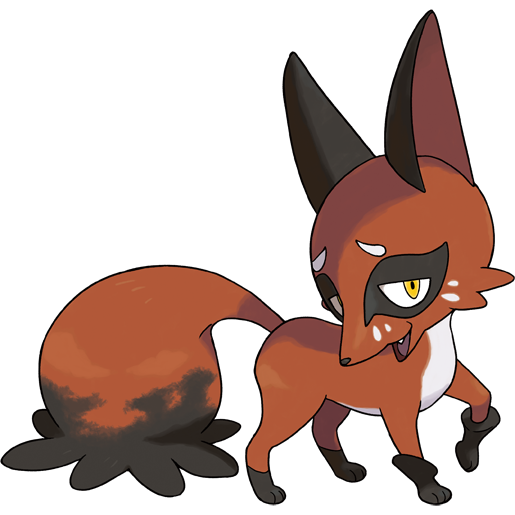
"Cunning and cautious, this Pokémon survives by stealing food from others. It erases its tracks with swipes of its tail as it makes off with its plunder."
—Pokémon Shield
Nickit isn't the biggest Pokémon. It isn't especially powerful.
Instead, it survives through observation, patience, and careful planning.
According to the Pokémon Sword Pokédex, "Aided by the soft pads on its feet, it silently raids the food stores of other Pokémon. It survives off its ill-gotten gains."
That last sentence gives us an important clue.
Nickit steals because stealing has become its way of surviving.
Rather than spending its energy searching for food, Nickit has discovered that it can use intelligence to take food that someone else has already found.
Why search all day when you can watch another Pokémon do the searching?
Why fight when you can sneak?
Why risk being caught when you can erase your tracks afterward?
Nickit has found an easier solution to a difficult problem and that's where intelligence and wisdom begin to separate.
Imagine a student who realizes they're good at talking their way out of trouble. Instead of using that communication skill to become a leader, they begin using it to make excuses whenever they forget their homework.
The skill isn't bad. They're simply using it for the easiest solution. Nickit behaves similarly.
Its intelligence helps it survive, but survival has taught it to ask,
"What can I get away with?" rather than, "What can I build with what I know?"
According to the Pokémon Shield Pokédex, "Cunning and cautious, this Pokémon survives by stealing food from others. It erases its tracks with swipes of its tail as it makes off with its plunder."
Every part of the theft requires awareness.
Nickit approaches silently. It knows when to move, it knows when to escape, and it even thinks about what happens afterward.
Its abilities reveal the same survival mindset.
Run Away represents knowing when a situation isn't worth fighting. Nickit doesn't need to prove how tough it is. Sometimes survival means recognizing danger and leaving before things become worse.
Stakeout reflects its ability to observe opportunities. Nickit watches movement, waits for openings, and acts when circumstances favor it.
Then there is Unburden.
When Nickit loses the item it carries, it becomes faster.
Emotionally, this reminds us that sometimes moving forward requires letting something go.
Sometimes it's fear. Sometimes it's pride. Sometimes it's the need to impress people.
Even habits that once helped us survive.
For me, that shift started when life finally became stable.
For a long time, I would collect things other people were throwing away. I kept every towel I could get my hands on. I held onto almost anything that seemed like it might be useful someday, because somewhere in the back of my mind was the thought, What if I need this later and don’t have it?
Eventually, my girlfriend said something simple that stuck with me: “If we ever need it, we can always buy it again.”
That idea sounds obvious, but it wasn’t obvious to me. Holding onto things had been part of how I learned to survive. You don’t throw away something you might need when you don’t know whether you’ll be able to replace it.
Now that my life is more stable, I’m learning that I don’t have to live by that rule anymore. But knowing that intellectually and actually believing it are two different things. It still takes a daily reminder to let go of the script I relied on for so long, the one that helped me survive, even when I no longer need it.
That lesson becomes especially important when Nickit evolves.
Thievul
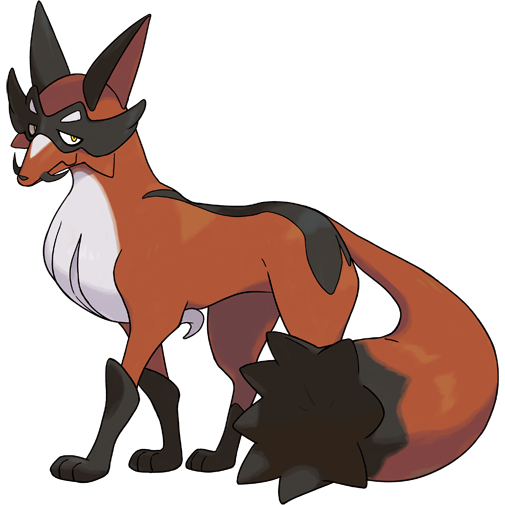
"It secretly marks potential targets with a scent. By following the scent, it stalks its targets and steals from them when they least expect it."
—Pokémon Sword
When Nickit becomes Thievul, it doesn't suddenly gain intelligence. It was clever all along.
What changes is the depth of its planning.
According to the Pokémon Sword Pokédex, "It secretly marks potential targets with a scent. By following the scent, it stalks its targets and steals from them when they least expect it."
Nickit reacted to opportunities. Thievul creates them.
Instead of finding food and quickly figuring out how to steal it, Thievul identifies a target, marks it, follows it, learns where it lives, and waits for the right moment.
Its intelligence has developed into foresight.
Emotionally, this represents the difference between being clever and becoming strategic.
Think about a child who is good at solving problems quickly. As they grow older, that same ability might develop into planning a school project weeks ahead, managing money, organizing an event, or noticing a problem before anyone else sees it coming.
The intelligence was always there.
What changed was the person's ability to think beyond the immediate moment.
That's what Thievul gains that Nickit lacked. Long-term thinking. But that growth creates a new responsibility.
Nickit could excuse its behavior as immediate survival. Thievul's actions are much more intentional.
It has time to observe, time to plan, time to choose, and it still steals.
Growing more intelligent doesn't automatically make someone wiser. Sometimes becoming more capable simply gives us more powerful ways to make the same choices.
Thievul therefore represents an important stage of emotional growth:
Eventually, we have to decide what kind of person our abilities are helping us become.
Thievul used Parting Shot

Nickit begins its journey using intelligence to survive. It learns to move quietly, recognize opportunities, escape danger, and cover its tracks.
When it becomes Thievul, that intelligence matures into patience and long-term strategy. But greater ability also brings greater responsibility. The more Thievul understands what it is doing, the more meaningful its choices become.
Nickit and Thievul remind us that intelligence is a powerful gift, but intelligence alone doesn't make us wise.
Wisdom begins when we stop asking "What can I get away with?"
and start asking:
"What good can I do with what I've been given?"
Choose Your Next Safari Ball Adventure
Stunky | Deino | Inkay
🎧 Want the human side of Pokémon?
🎙️ As The Pokeball Turns explores the Trainers.
Listen to real stories about:
- Community leaders
- Collectors
- Creators
- Everyday fans
The Story of Growlithe