Safari Ball - The Story of Vulpix
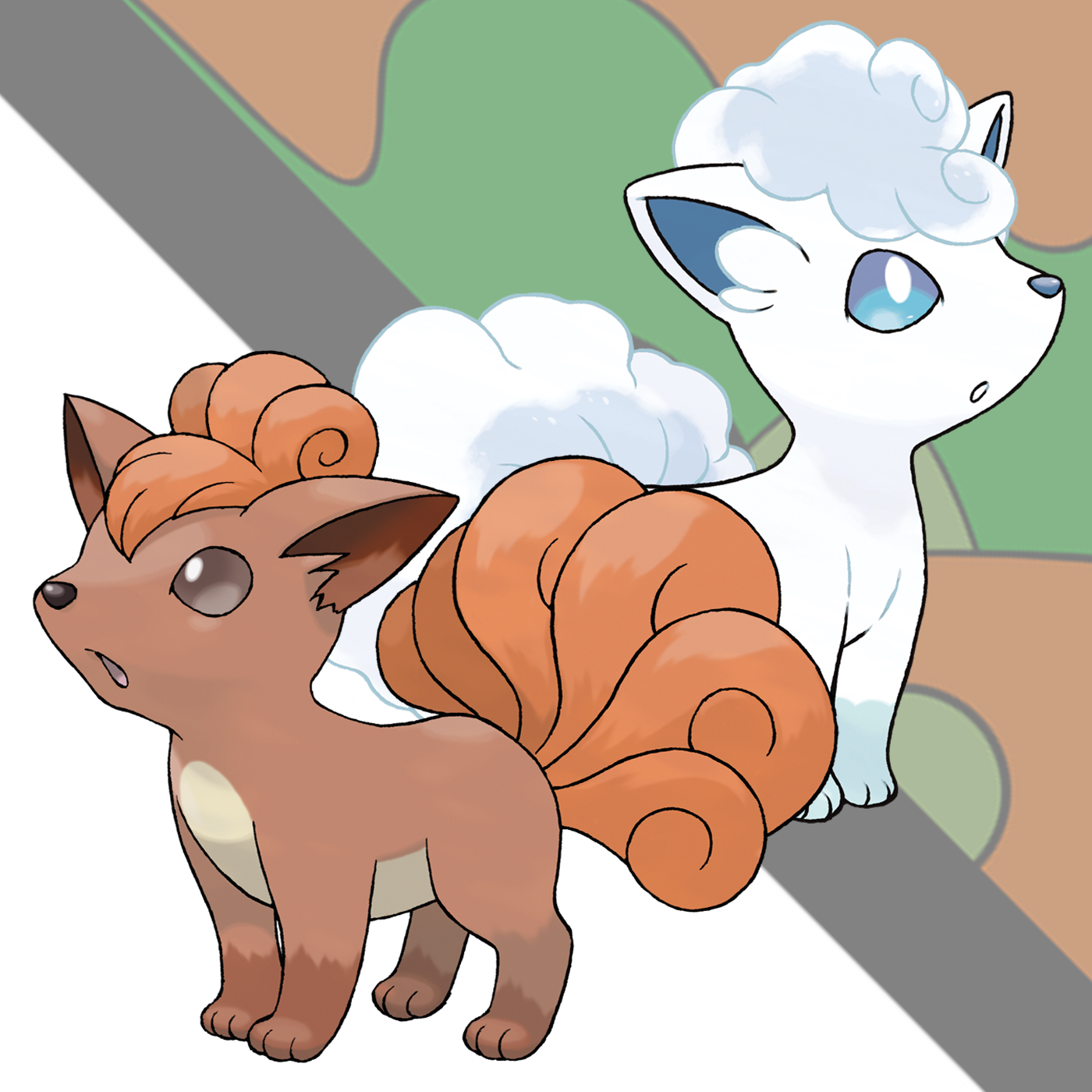
Welcome to Safari Ball, a field guide series that explores how Pokémon evolve through behavior, emotion, and environment.
Out in the open plains of Kanto, a flicker dances through the golden grass like a candle on the breeze. But high in the snowy peaks of Alola, another shape glides across the drifts, pale as starlight. Both are Vulpix. Both are six-tailed Pokémon full of beauty, mystery, and potential. Yet one breathes fire, the other frost. One lives alone. The other, in a pack. Two versions of the same Pokémon — shaped entirely by the world around them.
From a single white tail to nine legendary ones, Vulpix’s journey isn’t just about evolution. It’s about environment. It’s about emotion. And it’s about how what surrounds us warmth, cold, solitude, or community changes who we become.
Kanto Vulpix
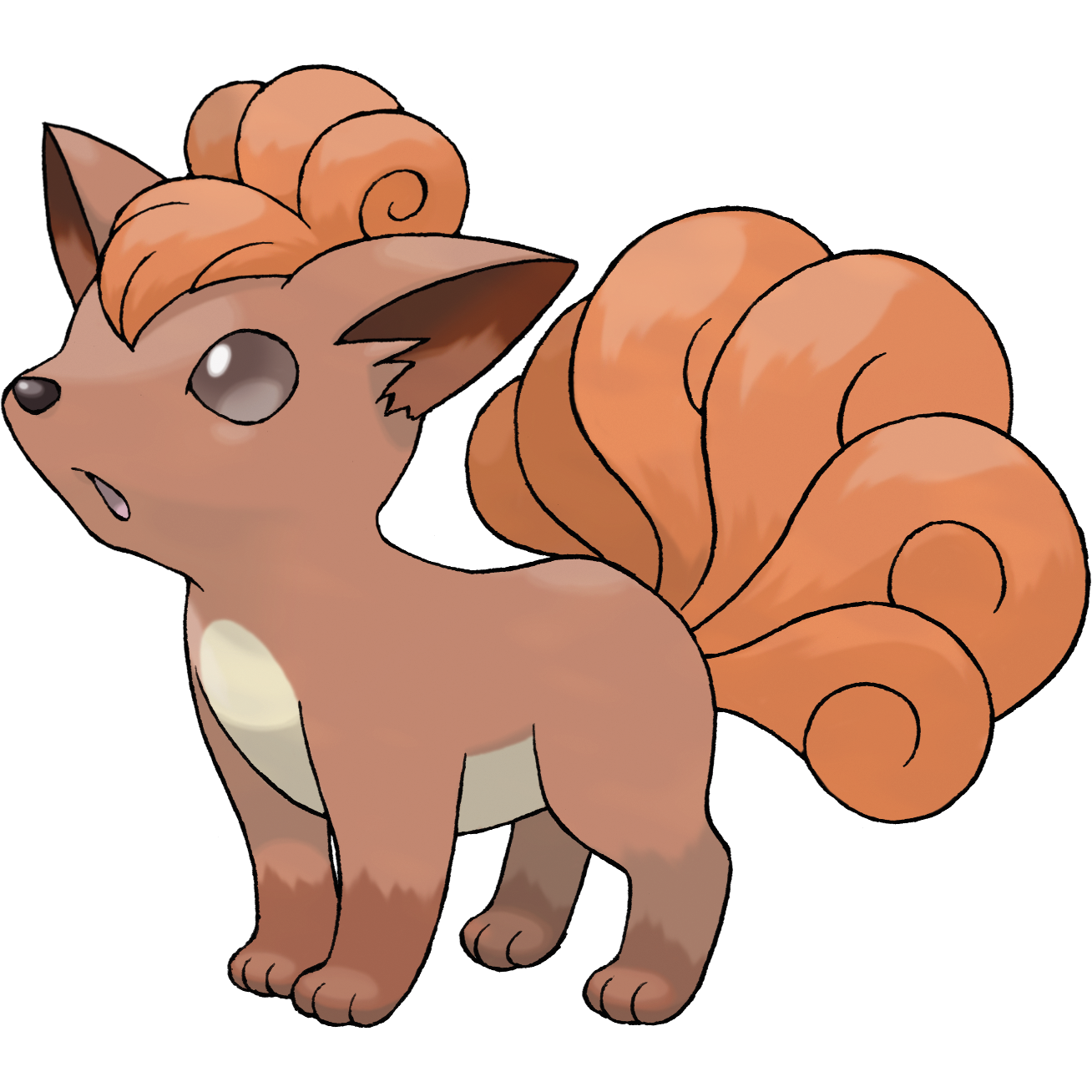
"At the time of birth, it has just one tail. The tail splits from its tip as it grows older."
—Pokémon Red & Blue
Kanto Vulpix is most commonly found in sun-dappled grasslands and rolling fields. Its fur, a soft reddish-brown, grows more lustrous as it ages. But its most striking feature? Those famous six tails, each curled at the tip like a painter’s brush. Yet every Vulpix begins with just one. According to Pokemon Omega Ruby, “At the time of its birth, Vulpix has one white tail. The tail separates into six if this Pokémon receives plenty of love from its Trainer.”
The tail’s growth isn’t just biological, it’s symbolic. Each split reflects care, trust, and emotional connection. Think of it like a plant growing toward the sun. The more love it receives, the more its potential blooms. Imagine adopting a nervous stray puppy who slowly begins to trust, and one day you realize it's wagging its tail just for you. That’s Vulpix.
Its abilities reflect how it interacts with danger and light. Flash Fire means that when it’s struck by flame, it doesn’t get damaged, it gets stronger. Emotionally, it’s about resilience, being shaped by heat, not consumed by it. Drought, on the other hand, allows Vulpix to summon harsh sunlight, not to scorch, but to shine. It changes the battlefield, casting away shadows. For Vulpix, power isn’t about brute force. It’s about cleverness, control, and emotional intelligence.
That intelligence shows in how it avoids conflict. When threatened by something too strong, it feigns injury. A dramatic but effective escape tactic. According to Pokemon Scarlet, “If it is attacked by an enemy that is stronger than itself, it feigns injury to fool the enemy and escapes.” This kind of behavior hints at how Vulpix understands the world. It doesn’t pick unnecessary fights. It observes. It adapts. It distracts. Then it vanishes, wisp-like, and clever, leaving only a warm trail behind.
But Vulpix doesn’t stay small forever. As its tails become more defined, they also grow hotter. According to Pokemon Emerald, “Just before evolution, its six tails grow hot as if on fire.” This moment with tails glowing, instincts shifting, is a signal. Something within is ready to change. And yet, it doesn’t happen on its own like other Pokémon evolutions. It requires a Fire Stone. That means Vulpix only evolves when someone offers it the chance and it chooses to accept.
Sometimes, growth isn’t forced. It’s chosen, when we’re finally ready to carry more.
Kanto Ninetales
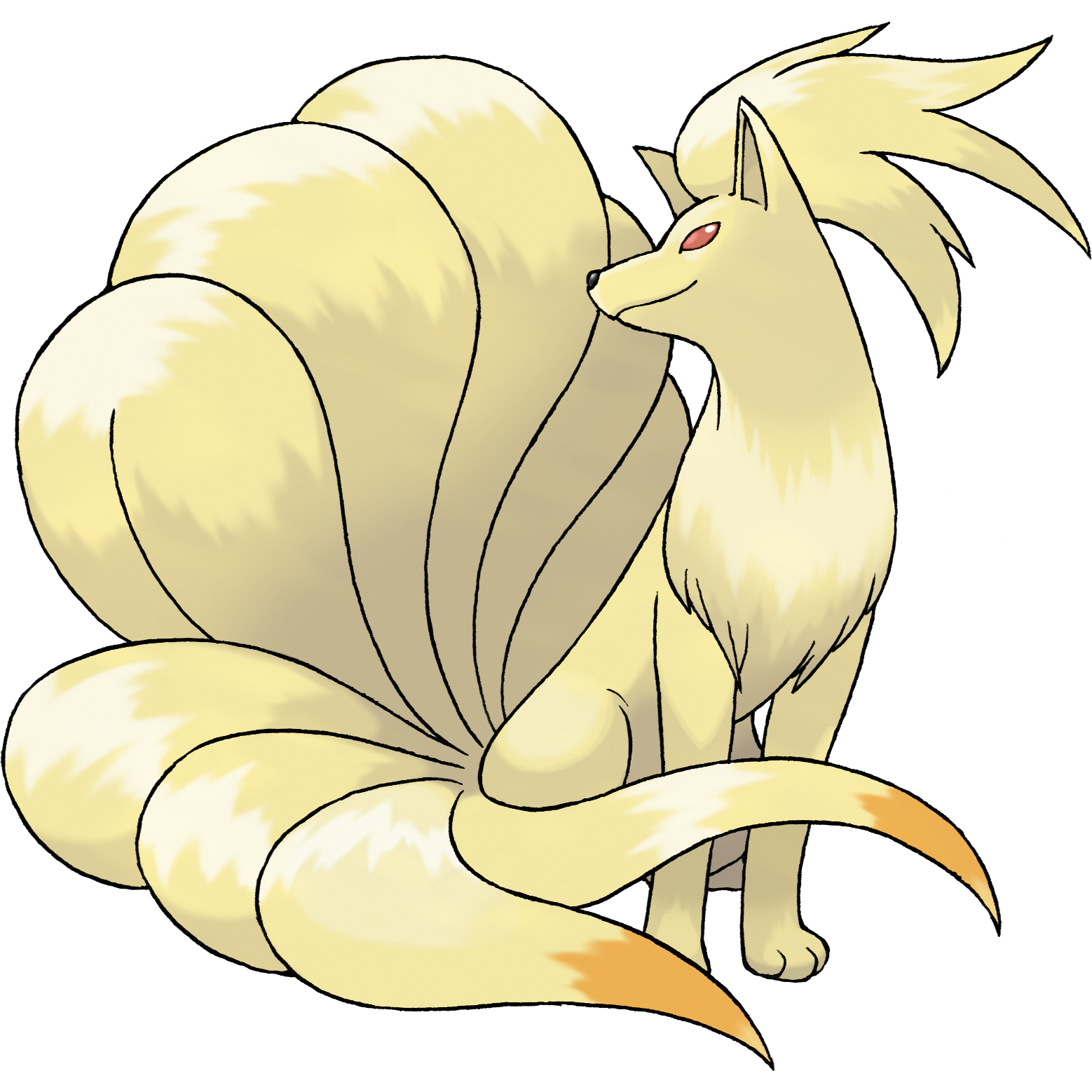
"Very smart and very vengeful. Grabbing one of its many tails could result in a 1000-year curse."
—Pokémon Red and Blue
When Kantonian Vulpix accepts the Fire Stone, it transforms into a legend.
Ninetales is no longer a creature of mere cleverness, it becomes a guardian of myth. With nine long tails, golden fur, and piercing red eyes, it walks the world with a wisdom few can understand. According to Pokemon Sword, “It is said to live 1,000 years, and each of its tails is loaded with supernatural powers.” Living for a thousand years means more than just time. It means memories. Generations of trainers. Seasons of loss and joy. A Ninetales doesn’t forget, it carries stories in every strand of fur.
But immortality also brings pain. Ninetales is known for its vengeance, not because it is cruel, but because it has seen too much disrespect. According to Pokemon Shield, “Very smart and very vengeful. Grabbing one of its many tails could result in a 1,000-year curse.” This trait connects back to Vulpix’s cunning nature. As a young Pokémon, it fakes injury to survive. As Ninetales, it teaches consequences. It has learned that kindness is sacred and not to be taken lightly. Its Flash Fire and Drought abilities remain, but now they feel ancient, ritualistic. When Ninetales alters the weather, it’s not a tactic. It’s ceremony.
Ninetales represents the legacy of the Fire-type, warmth that can comfort or consume, depending on how it’s treated.
🔥 Want to understand the passion that fuels a Fire-type?
Explore the Fire-type Personality!
Alolan Vulpix
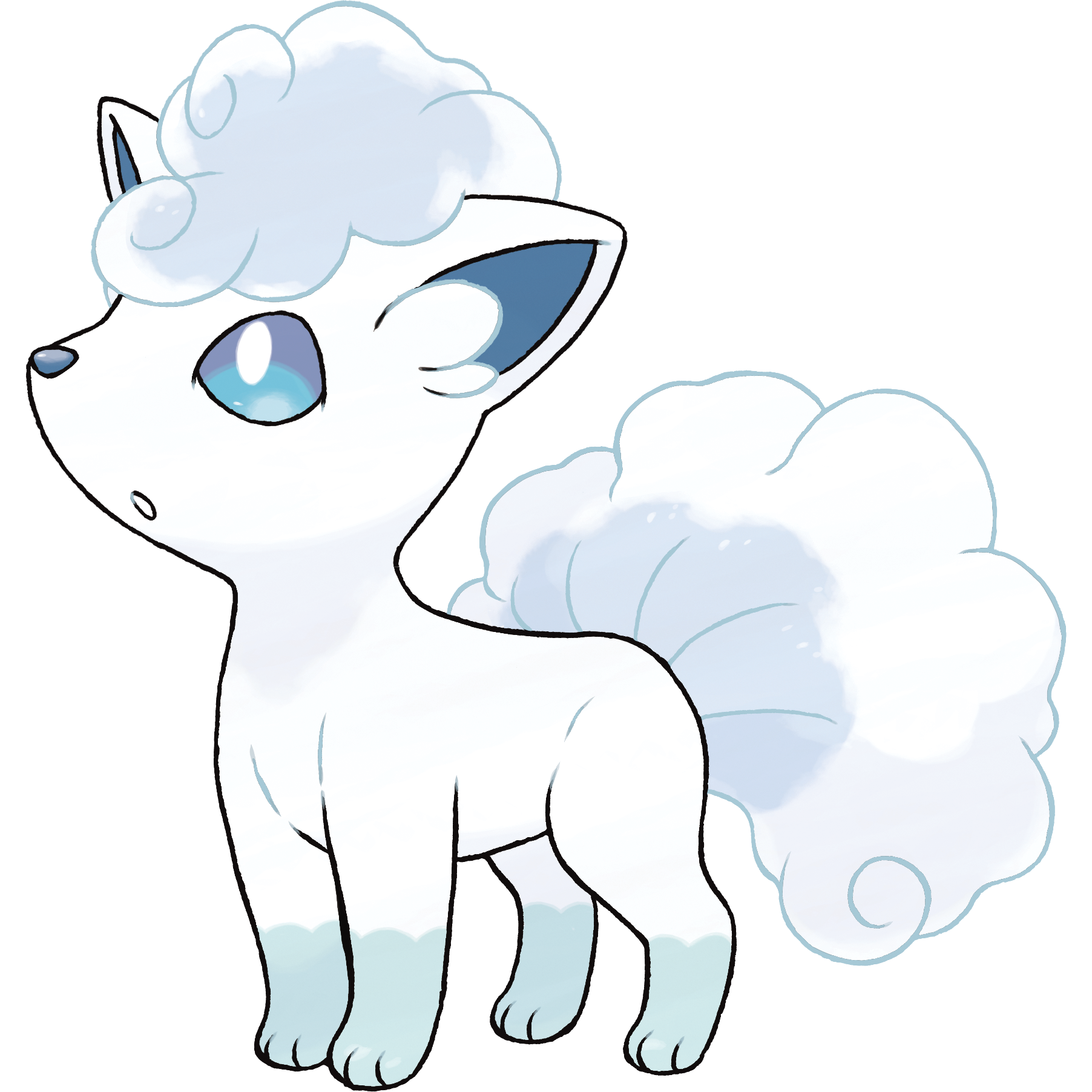
"It exhales air colder than -58 degrees Fahrenheit. Elderly people in Alola call this Pokémon by an older name, Keokeo."
—Pokémon Sun
Now shift the setting. In Alola, Vulpix took a different path. Long ago, it migrated with humans but fled to the highest mountains to avoid stronger Pokémon. There, it adapted. Over generations, its reddish fur turned white, and its fire cooled into frost. But it never lost its grace. According to Pokemon Sword, “After long years in the ever-snowcapped mountains of Alola, this Vulpix has gained power over ice.”
Unlike Kanto Vulpix, Alolan Vulpix thrives in cold and it doesn’t live alone. It travels in small packs called skulks, each one led and protected by a powerful evolved form, Alolan Ninetales. These Vulpix depend on each other, learning and living as a group. According to Pokemon Scarlet, "They live together in a skulk, helping one another. Before eating their prey, they freeze it solid with their −58 degree Fahrenheit breath." That difference matters. Where Kanto Vulpix values independence and clever escape, Alolan Vulpix finds strength in community and shared survival. It doesn’t feign weakness. It freezes threats. Its breath is cold enough to stop movement in an instant.
Its abilities echo this deep environmental connection. Snow Cloak allows it to move undetected during snowstorms, a symbol of quiet protection. When danger arrives, it doesn’t announce its presence. It becomes the weather. Snow Warning lets it summon a hailstorm on command, not out of rage, but to protect its home. These abilities speak to an emotional truth. Alolan Vulpix isn’t just surviving, it’s guarding something sacred.
And just like its counterpart, this Vulpix evolves through choice. When offered an Ice Stone, it must decide to become something more. The six tails that once curled in warmth now shimmer with frost. They don’t glow hot, but they do signal change.
In that moment, even snow can burn bright with meaning.
Alolan Ninetales
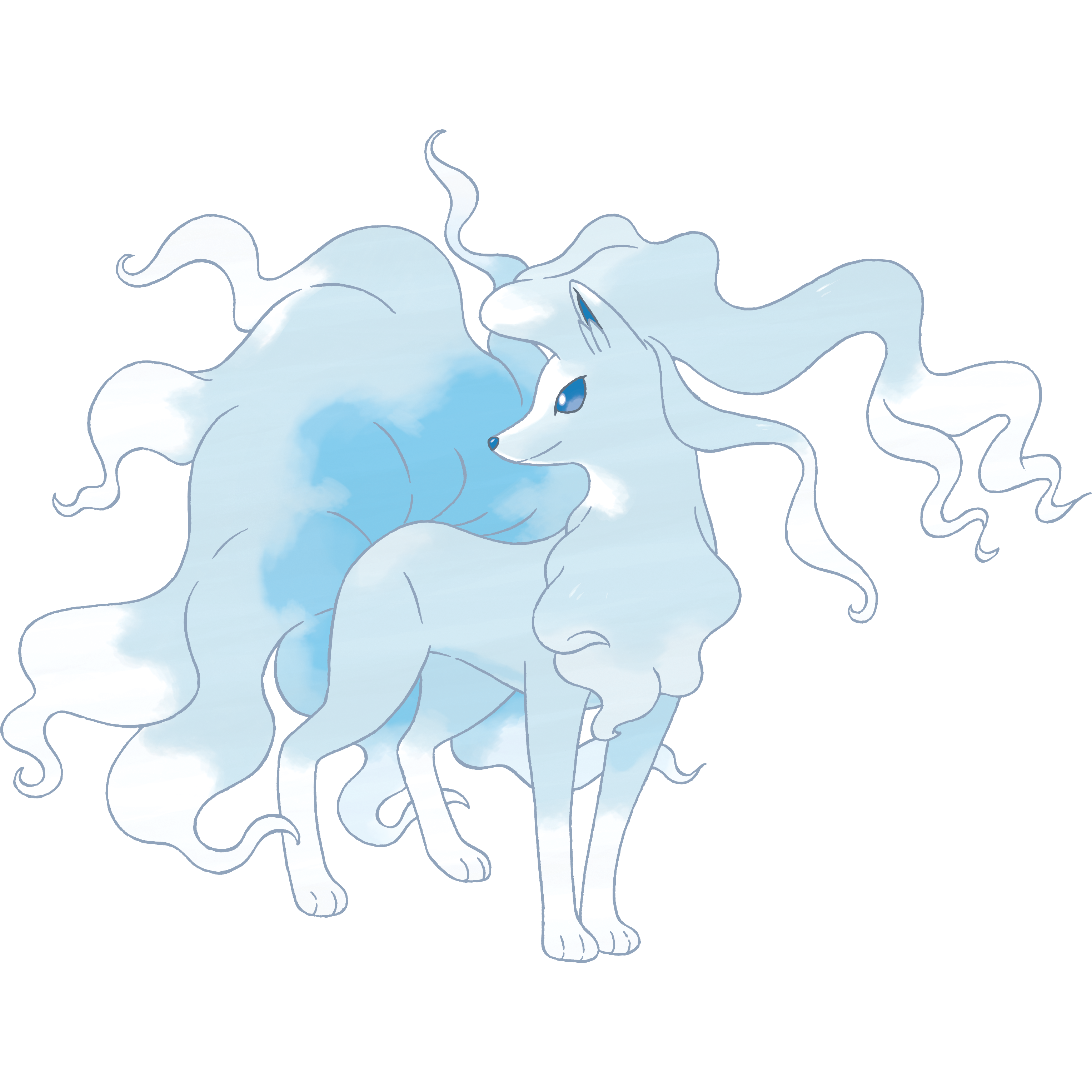
"Possessing a calm demeanor, this Pokémon was revered as a deity incarnate before it was identified as a regional variant of Ninetales."
—Pokémon Moon
In Alola, evolution takes a different shape, just as radiant, but far more silent. Alolan Ninetales is breathtaking. Its fur becomes a flowing cascade of pale blue and white, and its eyes shimmer like morning frost. But its presence is not just visual, it’s spiritual. According to Pokemon Legends: Arceus, “Dwells on sacred peaks perpetually covered in snow. Said to appear to virtuous people who have lost their way.”
This Ninetales is not a flame. It is a snowfall. It walks without sound and guides without words. Its role in the mountain ecosystem is guardian, protector, and, in ancient lore, even deity. According to Pokemon Sword, "A deity resides in the snowy mountains where this Pokémon lives. In ancient times, it was worshiped as that deity's incarnation."
Its calm demeanor is often mistaken for kindness and it can be. But only within limits. Threaten its pack, and its icy breath will stop you where you stand. According to Pokemon Violet, “It creates drops of ice in its coat and showers them over its enemies. Anyone who angers it will be frozen stiff in an instant.”
The addition of Fairy-typing is more than a mechanical change. Emotionally, it represents purity, mystery, and otherworldliness. This is a Ninetales who doesn’t just live long, it transcends. Unlike Kanto Ninetales who remembers, Alolan Ninetales preserves. Its ability to manipulate snow and protect its skulk shows that softness can be strength, and that the sacred is often quiet.
What does it gain from being Alolan Vulpix? Everything. Community, restraint, reverence for the land. It learned how to freeze and how to forgive.
If Kanto Ninetales is a sacred fire, passionate and eternal, Alolan Ninetales is a quiet snowfall with hidden strength. Both are wise. Both are powerful. But they teach different lessons.
One of earned respect, the other of quiet reverence.
❄️ Curious about quiet strength and emotional resilience?
Explore the Ice-type Personality!
Vulpix used Extrasensory
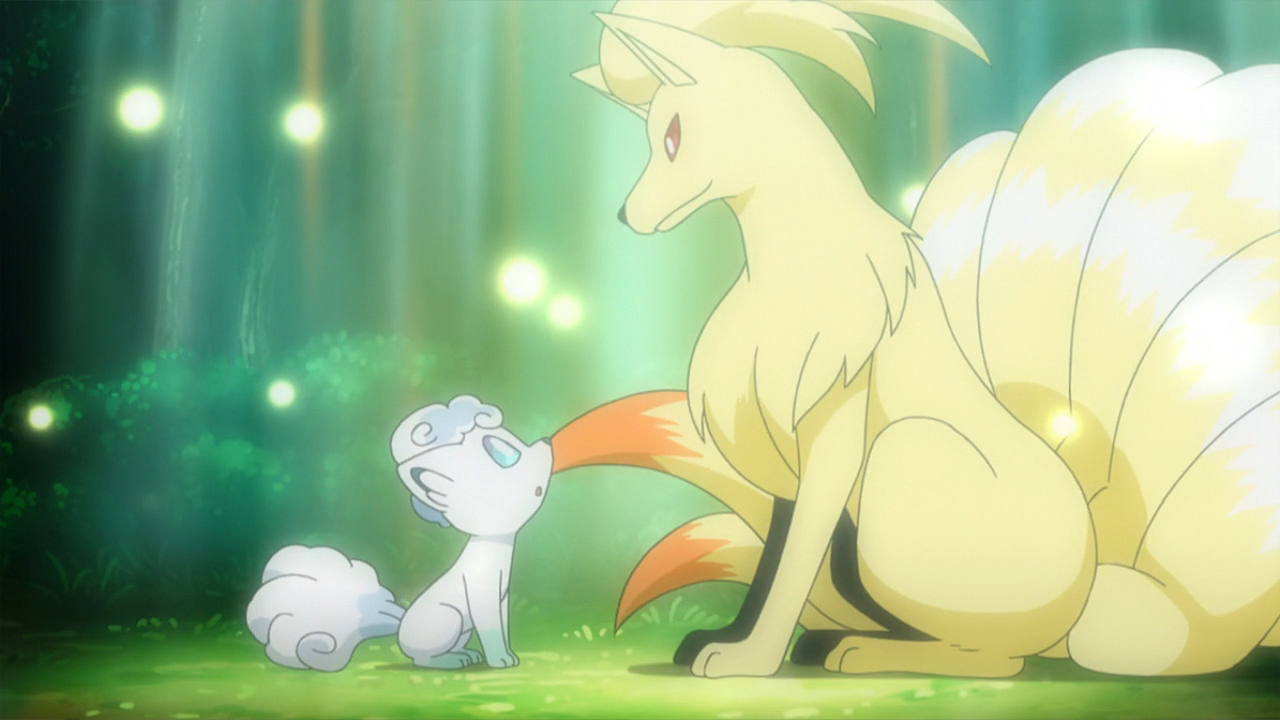
Vulpix teaches us that who we are is shaped by where we live, how we’re loved, and what we choose to become. In Kanto, that story burns hot, a clever creature learning to survive alone and eventually evolving into a flame-wreathed guardian. In Alola, the same story chills into snow, a gentle soul raised in community, growing into a being of sacred strength.
Evolution doesn’t erase where we started. It honors it. It carries it forward in tails that burn or shimmer, in wisdom that remembers or forgives.
Both Vulpix lines begin with a single white tail. And from that quiet beginning, they become something legendary.
Choose Your Next Safari Ball Adventure
Volcanion | Vanillite | Flabébé
🎧 Want the human side of Pokémon?
🎙️ As The Pokeball Turns explores the Trainers.
Listen to real stories about:
- Community leaders
- Collectors
- Creators
- Everyday fans
Safari Ball - The Story of Stunfisk