The Story of Burmy
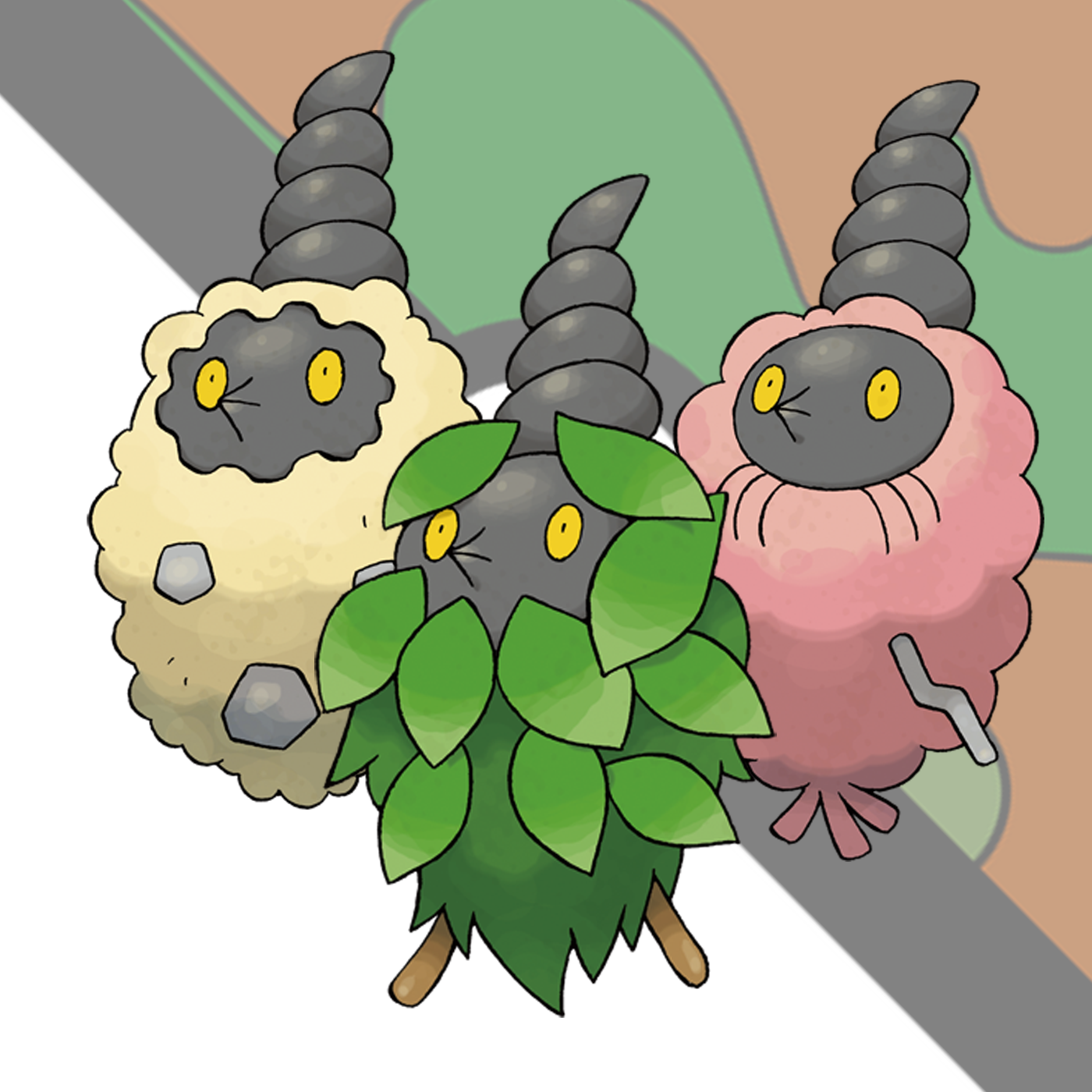
On a windy autumn day, you might spot a small bundle of leaves hanging from a tree branch. Nearby, a clump of mud rests against a rocky wall. Somewhere else, a scrap of dust and discarded material drifts quietly along the ground.
At first glance, none of these seem unusual. But look closer.
Inside each one is a tiny Pokémon watching the world from behind a cloak it built itself.
This is Burmy, a Bug-type Pokémon whose story asks a fascinating question:
What happens when the things that protect us become part of who we are?
Some Pokémon grow stronger through battle.
Some grow stronger through friendship.
Burmy grows by adapting.
And depending on the path it takes, its journey tells two very different stories about identity, protection, and freedom.
Burmy
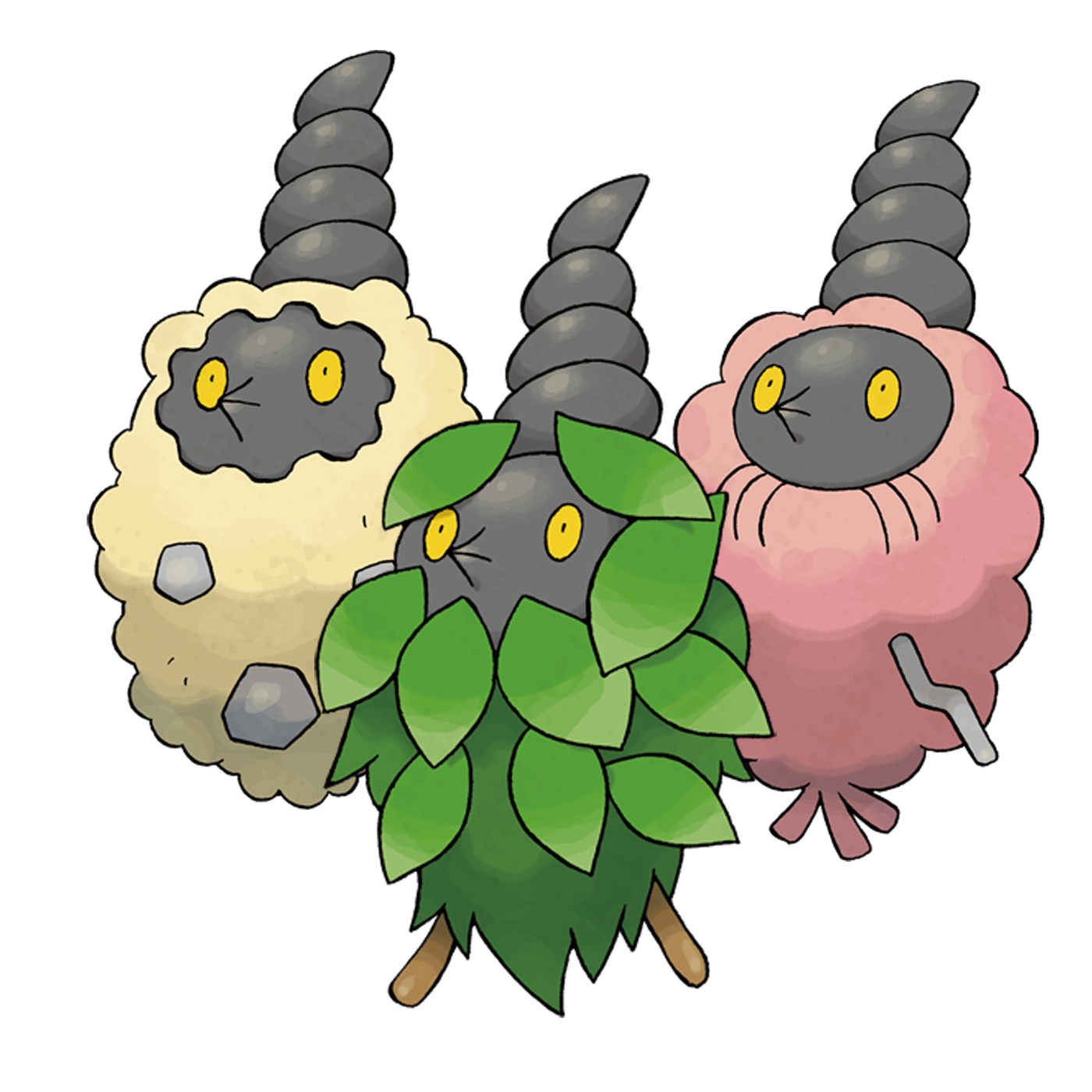
"If its cloak is broken in battle, it quickly remakes the cloak with materials nearby."
—Pokémon Pearl
Burmy begins life vulnerable.
According to the Pokémon Diamond Pokédex, "To shelter itself from cold, wintry winds, it covers itself with a cloak made of twigs and leaves." The Pokémon Pearl Pokédex adds that "If its cloak is broken in battle, it quickly remakes the cloak with materials nearby."
That detail reveals something important.
Burmy doesn't simply wear a cloak. It depends on one.
Whether it is surrounded by leaves, sand, mud, or even trash, Burmy gathers whatever is available and turns it into protection.
According to the Pokémon Platinum Pokédex, "Even if it is born where there are no cocooning materials, it somehow always ends up with a cloak."
Emotionally, this feels very human.
People often build protective layers around themselves using whatever is available.
A child may use humor to avoid embarrassment.
Someone who has been hurt may become cautious around others.
A person who moves frequently might learn how to adapt quickly to new situations.
Like Burmy, we often create protections before we fully understand ourselves.
For me, it reminds me of how I learned to build connections through asking questions. My social skills were weak all the way through high school, but I wanted a social life when I got to college. I was the kind of person who didn't understand the natural back-and-forth of conversation. I'd want to say something, but I often didn't know where to begin.
After my freshman year, I actually taught myself how to socialize by doing Google searches on my Wii. One of the biggest lessons I learned was that asking questions and showing genuine interest in the other person was the key to keeping a conversation going. That became my approach. Over time, I built a social circle by becoming someone who was genuinely curious about other people's lives.
Its Overcoat ability reflects this beautifully. Burmy protects itself from harsh weather and outside conditions.
Emotionally, Overcoat represents the emotional defenses we build to survive difficult environments.
Sometimes those defenses help us. Sometimes we need them. But they are still cloaks.
Its second ability, Shed Skin, introduces an entirely different lesson.
Burmy can heal itself by shedding part of its old self.
Emotionally, Shed Skin reminds us that growth often requires letting go.
The habits that once protected us may eventually need to be replaced.
The fears that kept us safe as children may no longer serve us as adults.
Burmy lives in a constant balance between protection and change.
And eventually, that balance leads to two very different futures.
Wormadam
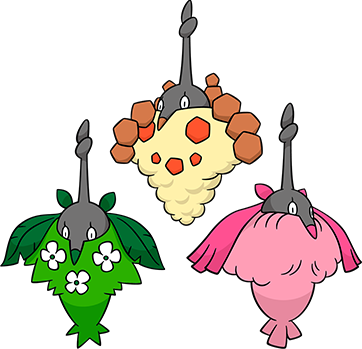
"When evolving, its body takes in surrounding materials. As a result, there are many body variations."
—Pokémon Platinum
For female Burmy, evolution does something remarkable.
The cloak stops being a cloak. It becomes part of the body.
According to the Pokémon Diamond Pokédex, "When Burmy evolved, its cloak became a part of this Pokémon's body. The cloak is never shed."
The protection that once sat on the outside becomes permanent.
This raises a question, what parts of our lives eventually become part of who we are?
According to the Pokémon Pearl Pokédex, "Its appearance changes depending on where it evolved. The materials on hand become a part of its body."
Wormadam literally becomes its environment and each form tells a different story.
Plant Cloak Wormadam
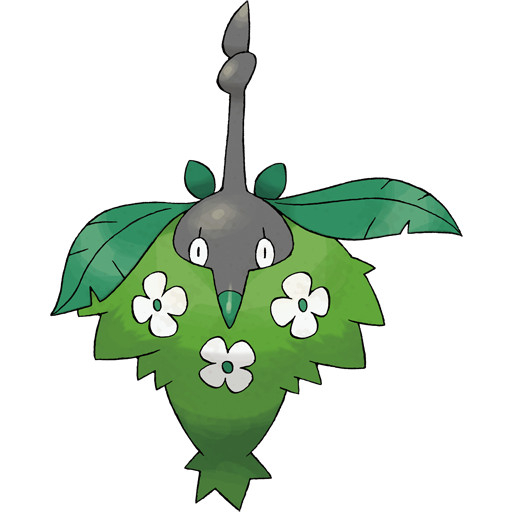
The Plant Cloak is made from leaves, flowers, and plant life.
According to Pokémon Legends: Arceus, "The cloak—fashioned from plant matter—has merged with the Pokémon and is now part of the body, like fur or skin. I suspect this fusion is an effect of the energy involved in evolution."
Emotionally, this form represents people whose environments helped them grow.
Supportive friendships, strong families, communities that encouraged them to flourish.
The protection they received became part of their identity.
Sandy Cloak Wormadam
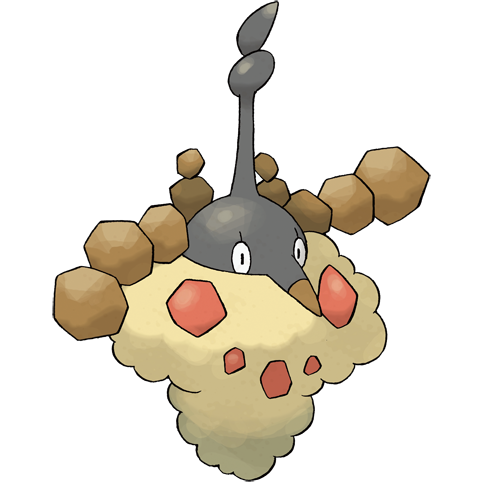
The Sandy Cloak is built from earth, stone, and mud.
According to Pokémon Legends: Arceus, "Its earthen skin is reasonably hard—it has no problem repelling a Starly's pecking, at least."
This form reflects resilience.
Some people grow up in challenging environments. They face difficulties early and learn how to endure.
The hardships leave marks. But they also create strength.
Like stone shaped by years of wind, Sandy Cloak Wormadam becomes tougher because of what it experienced.
Trash Cloak Wormadam
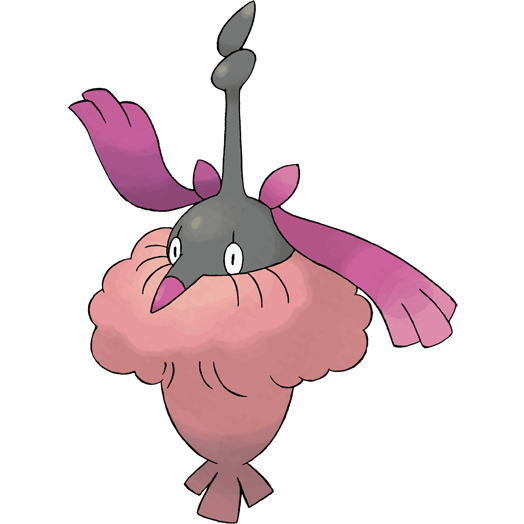
This may be the most interesting form of all.
According to Pokémon Legends: Arceus, "Its body, composed of refuse, blends in to the scenery so much as to be inconspicuous. This seems to be the perfect way for the Pokémon to evade the detection of predators."
Things others threw away. Things nobody wanted.
And yet those materials become part of a living Pokémon.
Emotionally, this reflects that sometimes the parts of ourselves we are most tempted to hide become sources of strength.
Parts like past mistakes, embarrassing memories, difficult experiences.
The things we think make us less valuable may actually help shape who we become.
Trash Cloak Wormadam reminds us that even discarded things can have purpose.
Its ability, Anticipation, adds another layer.
Wormadam has learned from experience.
It senses danger before it arrives.
The Pokémon that once hid from the world now understands it better.
Its protection has become wisdom.
Mothim
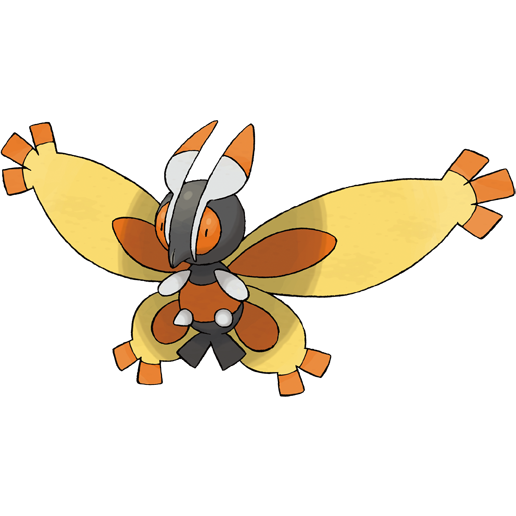
"While it loves floral honey, it won't gather any itself. Instead, it plots to steal some from Combee."
—Pokémon Platinum
Male Burmy take a completely different path.
Instead of keeping the cloak, they instead leave it behind. Mothim emerges with wings.
According to the Pokémon Pearl Pokédex, "It does not keep a nest. It flies over fields and mountains in constant search of floral honey."
Unlike Wormadam, Mothim never settles.
It wanders, explores, and searches.
If Wormadam represents becoming what shaped you, Mothim represents discovering what lies beyond it.
The protective cloak that Burmy once depended upon is gone.
For the first time, it is exposed to the world and free.
But freedom comes with its own challenges.
According to multiple Pokédex entries, "Mothim loves honey but steals it from Combee rather than gathering it itself."
At first, this behavior seems selfish.
Yet symbolically, it raises an interesting question, "what if Mothim is searching for something it never learned how to create?"
Many people spend years looking for belonging, purpose, confidence, or happiness. They search everywhere.
But sometimes they struggle to build those things themselves.
Mothim reflects that tension between freedom and fulfillment.
Its ability, Swarm, shows that pressure brings out its greatest strength. When pushed to its limits, Mothim becomes even more determined.
Its hidden ability, Tinted Lens, may be even more meaningful.
Mothim sees opportunities where others see limitations.
What appears ineffective becomes useful.
What appears ordinary becomes valuable.
For a Pokémon that spends its life exploring, this makes perfect sense.
Discovery often begins when we learn to see things differently.
Burmy used String Shot
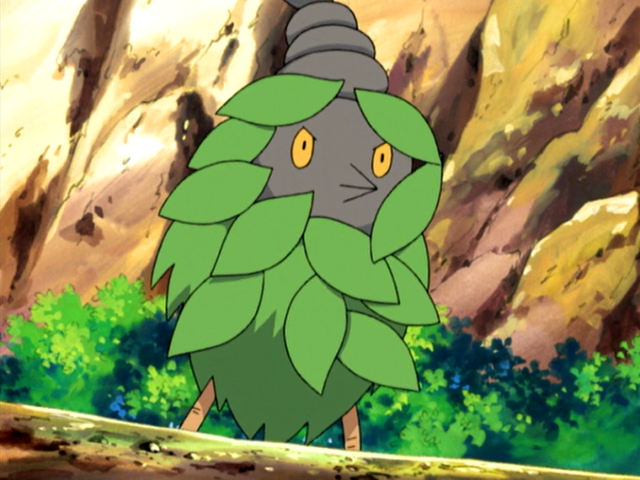
Burmy's story teaches us that growth is not always about becoming stronger. Sometimes it is about deciding what we carry forward from the environments that shaped us.
Wormadam shows one path. It embraces its cloak and allows its experiences to become part of its identity. The lessons, hardships, and protections it gathered remain with it forever.
Mothim shows another. It leaves its cloak behind and searches for something beyond the world it once knew. Its growth comes through exploration, freedom, and discovery.
Neither path is wrong.
Some people become deeply rooted in the places and experiences that shaped them.
Others feel called to leave and discover who they are beyond those beginnings.
Burmy reminds us that both journeys begin the same way.
We all start by building cloaks from whatever life gives us.
The real question is whether we choose to keep wearing them or spread our wings and see where the wind takes us.
Choose Your Next Safari Ball Adventure
Spinarak | Skorupi | Scyther
🎧 Want the human side of Pokémon?
🎙️ As The Pokeball Turns explores the Trainers.
Listen to real stories about:
- Community leaders
- Collectors
- Creators
- Everyday fans
The Story of Shuppet